world.wikisort.org - United_Kingdom
Cambridge (/ˈkæmbrɪdʒ/ ) is a hamlet in the district of Stroud, in the county of Gloucestershire, England. It lies on the A38 road between Bristol and Gloucester. It is about 3 miles (5 km) from Dursley and about 11 miles (18 km) from Gloucester.
| Cambridge | |
|---|---|
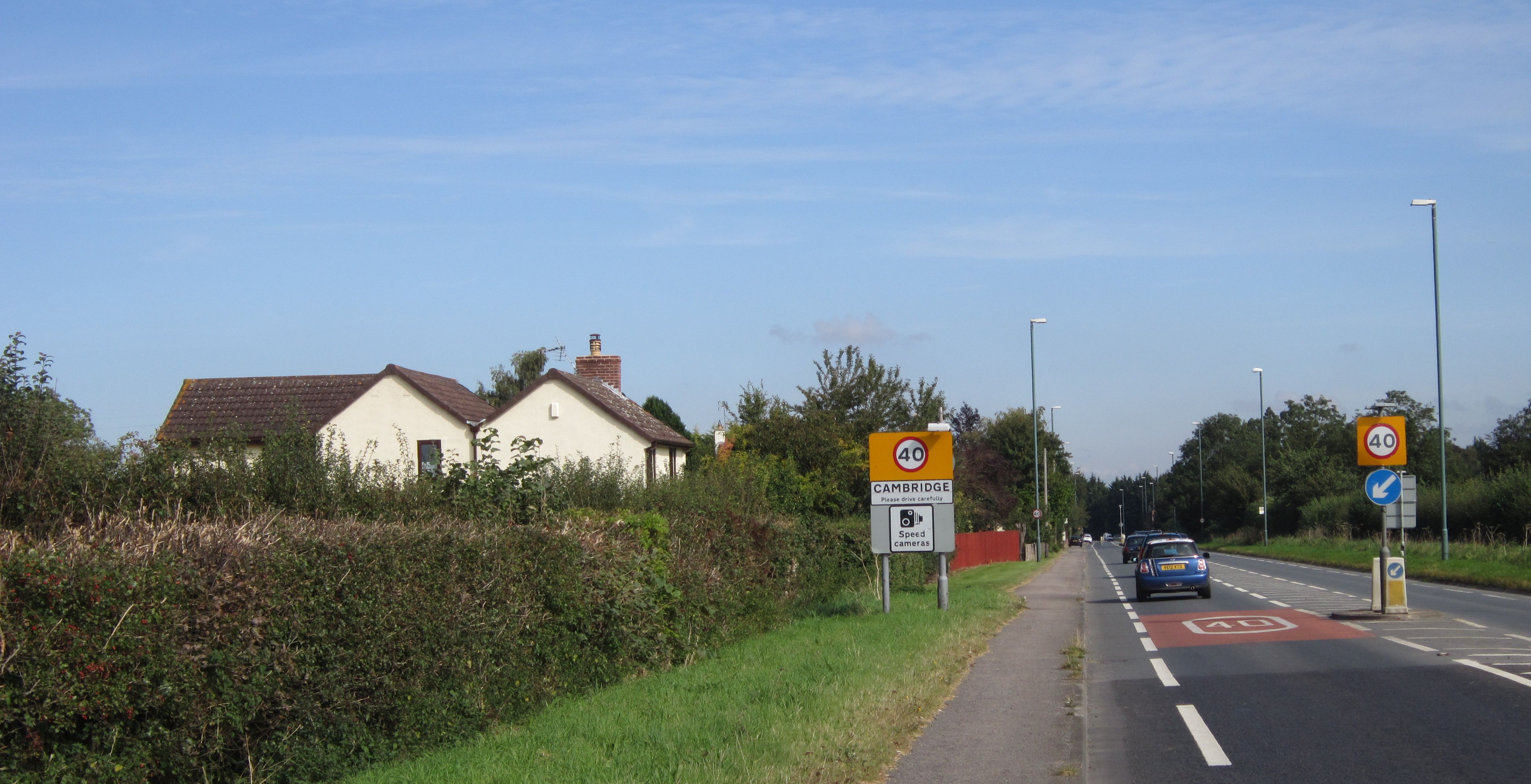 Village entrance | |
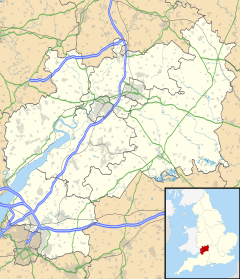  Cambridge Location within Gloucestershire | |
| OS grid reference | SO749037 |
| Civil parish | |
| District |
|
| Shire county | |
| Region | |
| Country | England |
| Sovereign state | United Kingdom |
| Post town | GLOUCESTER |
| Postcode district | GL2 |
| Dialling code | 01453 |
| Police | Gloucestershire |
| Fire | Gloucestershire |
| Ambulance | South Western |
| UK Parliament |
|
The hamlet lies in the civil parish of Slimbridge and takes its name from the River Cam which flows through it. It has one public house, the George Inn. A second, the White Lion, closed and became a private residence. There are regular buses to Bristol, Gloucester, Stroud and Thornbury.
In nearby Slimbridge is the Wildfowl and Wetlands Trust, that was founded by Peter Scott.[1]
In 1870–72, John Marius Wilson's Imperial Gazetteer of England and Wales described Cambridge thus:
CAMBRIDGE, a hamlet in Shinbridge parish, Gloucester; on the river Cam, 4 miles NNW of Dursley. It has a post office under Stonehouse. It was known to the Saxons as Cwatbriege; and was the scene of a battle, in the time of Edward the Elder, between the Saxons and the Danes.
Bishop Ussher identified this Cambridge as the "Cair Grauth"[2] listed among the 28 cities of Britain by the History of the Britons,[3] although this is more often identified with the Cambridge on the River Granta.[4]
References
- Wildfowl & Wetlands Trust website
- Nennius (attrib.). Theodor Mommsen (ed.). Historia Brittonum, VI. Composed after AD 830. (in Latin) Hosted at Latin Wikisource.
- Newman, John Henry & al. Lives of the English Saints: St. German, Bishop of Auxerre, Ch. X: "Britain in 429, A. D.", p. 92. Archived 21 March 2016 at the Wayback Machine James Toovey (London), 1844.
- Ford, David Nash. "The 28 Cities of Britain Archived 15 April 2016 at the Wayback Machine" at Britannia. 2000.
External links
 Media related to Cambridge, Gloucestershire at Wikimedia Commons
 | This Gloucestershire location article is a stub. You can help Wikipedia by expanding it. |
Другой контент может иметь иную лицензию. Перед использованием материалов сайта WikiSort.org внимательно изучите правила лицензирования конкретных элементов наполнения сайта.
WikiSort.org - проект по пересортировке и дополнению контента Википедии